
Last Updated: October 2, 2026
Electrical fires cause thousands of home fires annually, and many of them are preventable. An electrical safety inspection is your first line of defense against hidden hazards that could damage your property or put your family at risk. At Electric Falls, we've seen firsthand how many homeowners don't realize their electrical systems are compromised until something goes wrong.
Think of an electrical inspection like a health checkup for your home's nervous system. It identifies problems before they become emergencies. Outdated wiring, overloaded circuits, faulty grounding, and deteriorating components all create fire risks and can damage expensive electronics. A professional inspection catches these issues early, giving you time to address them without the stress of an electrical failure in the middle of the night.
The real value isn't just avoiding disaster, it's peace of mind. When you know your electrical system is safe and compliant with current codes, you can focus on enjoying your home instead of worrying about what's hidden behind the walls.
Professional electricians know exactly what to look for because they've seen the same problems repeatedly. During an inspection, they'll identify issues that most homeowners would never spot on their own.
Outdated wiring is one of the most common findings in older homes. Knob-and-tube wiring and aluminum wiring, popular decades ago, create serious fire hazards. These materials degrade over time and can't handle modern electrical loads. If your home was built before the 1970s, there's a good chance your wiring needs attention.
Overloaded circuits happen when too many devices draw power from a single circuit. You might notice lights dimming when you run the microwave and air conditioner together, or outlets feeling warm to the touch. These are warning signs that your electrical panel can't distribute power safely.
Faulty grounding and bonding means electricity has nowhere safe to go in an emergency. Proper grounding protects against shock and fire. Without it, a fault in an appliance or outlet becomes dangerous.
Arc faults occur when electricity jumps across a gap in wiring, creating sparks and heat inside walls where you can't see them. Modern arc fault circuit interrupter (AFCI) outlets and breakers detect these and shut down power instantly. Older homes often lack this protection.
Deteriorating insulation around wires exposes bare copper, creating shock and fire risks. Rodents, age, and heat all damage wire insulation. An inspection can identify where insulation has failed.
The frequency depends on your home's age and condition. Most homeowners should have a professional inspection every 3 to 5 years as part of routine preventative maintenance. Older homes with original wiring should be inspected more frequently, every 1 to 2 years, because the risk of failure increases with age.
Certain situations call for immediate inspection. If you've experienced flickering lights, tripping breakers, burning smells near outlets, or warm outlets, get an inspection right away. After major weather events like lightning strikes or flooding, water damage to electrical components requires professional assessment.
New homebuyers should always schedule an inspection before closing. You need to know what you're inheriting electrically. Rental property managers in the area rely on regular inspections to keep tenants safe and protect their investment. Electric Falls works with property managers throughout Southeast Idaho to maintain rental units on a scheduled maintenance plan.
Older homes have character, but their electrical systems often don't meet modern safety standards. Recognizing the signs of outdated wiring helps you decide when rewiring becomes necessary.
Two-prong outlets instead of three-prong grounded outlets indicate older wiring. Modern appliances and devices need that third prong for safety. If you're using adapters constantly, your wiring is out of date.
Frequent breaker trips suggest your electrical panel is working harder than it was designed to. Modern homes with air conditioning, electric water heaters, and multiple devices demand more power than homes from the 1950s or 1960s.
Discolored outlets or switch covers can indicate heat buildup from loose connections or failing components. This is a fire hazard that needs immediate attention.
Burning smells near outlets or the electrical panel mean something is overheating. Don't ignore this, call a licensed electrician immediately.
Limited outlet availability forcing you to use extension cords and power strips everywhere is a sign your home's wiring infrastructure can't support modern usage. This creates both safety and convenience problems.
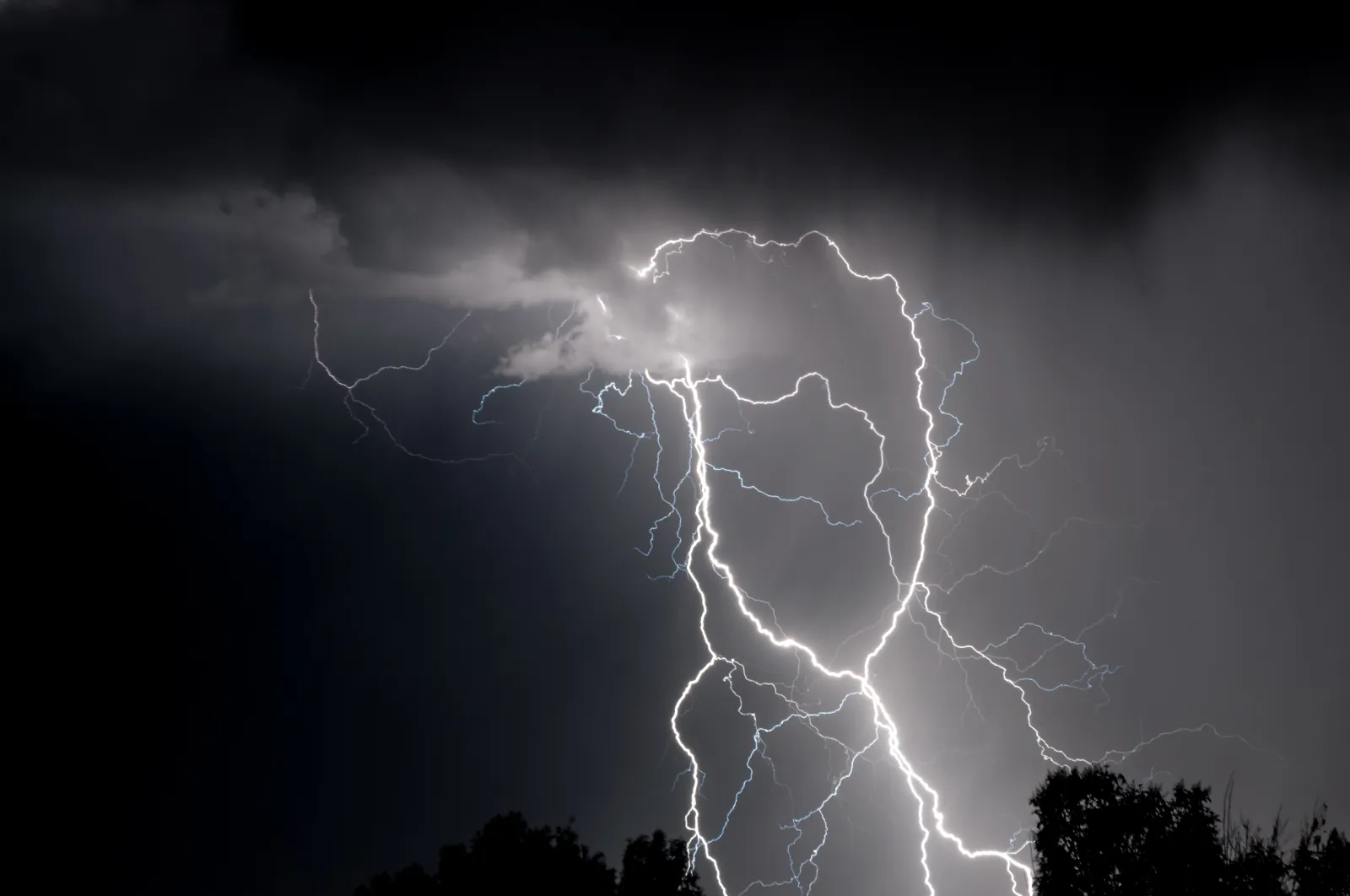
Power surges happen more often than most people realize. Lightning is the dramatic culprit, but utility switching, downed power lines, and large appliances cycling on and off all cause surges. A single surge can destroy televisions, computers, gaming systems, and smart home equipment.
Whole-home surge protection installed at your electrical panel is the most effective defense. This device intercepts surges before they enter your home's wiring, protecting everything downstream. It's like a bouncer at the door of your electrical system.
Point-of-use surge protectors at individual outlets add a second layer of defense for sensitive equipment. High-end electronics like home theater systems, computers, and smart home hubs benefit from quality surge-protected power strips.
Dedicated circuits for high-value equipment prevent surges from spreading damage. A dedicated circuit for your home office computer or entertainment system isolates that equipment from other electrical loads and allows for targeted surge protection. Many electricians recommend dedicated circuits not just for safety, but to prevent a surge in one area from cascading through your entire electrical system.
Unplugging devices during storms is old-school but effective. If lightning is nearby, turning off and unplugging devices removes the risk entirely. This is especially important for smart home devices that remain in standby mode and can be damaged even when not actively in use.
Modern smart panels and monitoring systems can now detect and log surge events, alerting you to patterns that might indicate a problem with utility lines or a failing component in your home. If you're experiencing frequent surges, an inspection can identify whether the issue originates outside your home (utility-side) or within your electrical system.
The cost of replacing a destroyed television or computer system far exceeds the investment in surge protection. Homes with modern electrical loads, especially those with extensive smart home automation, benefit most from comprehensive surge protection strategies that address both whole-home and point-of-use defense.
Understanding what a professional does during an inspection helps you know what to expect and why it matters.
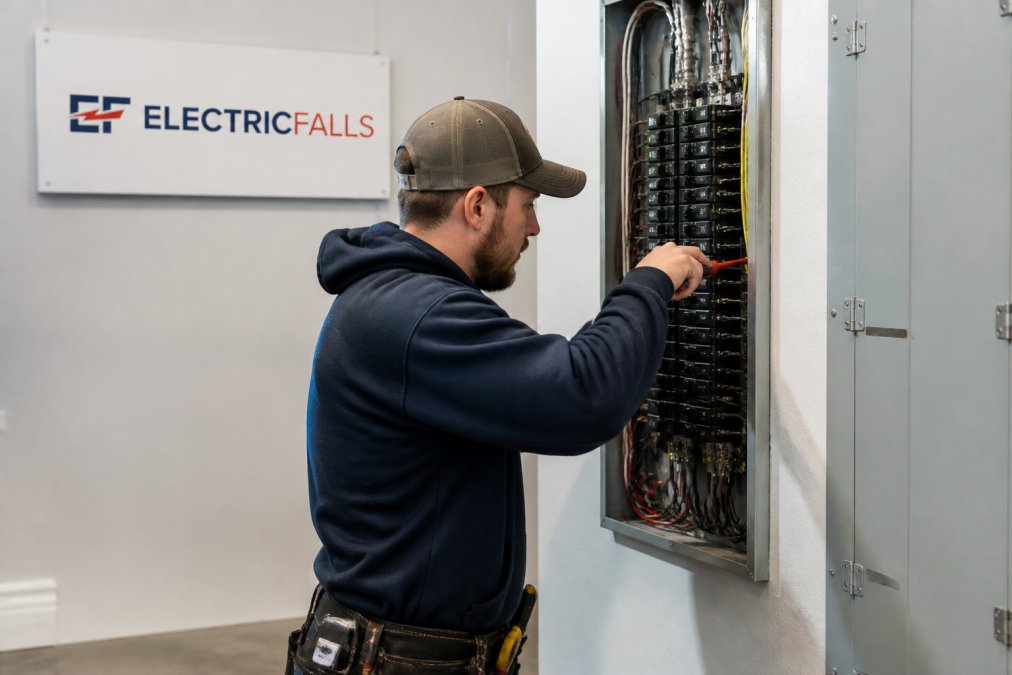
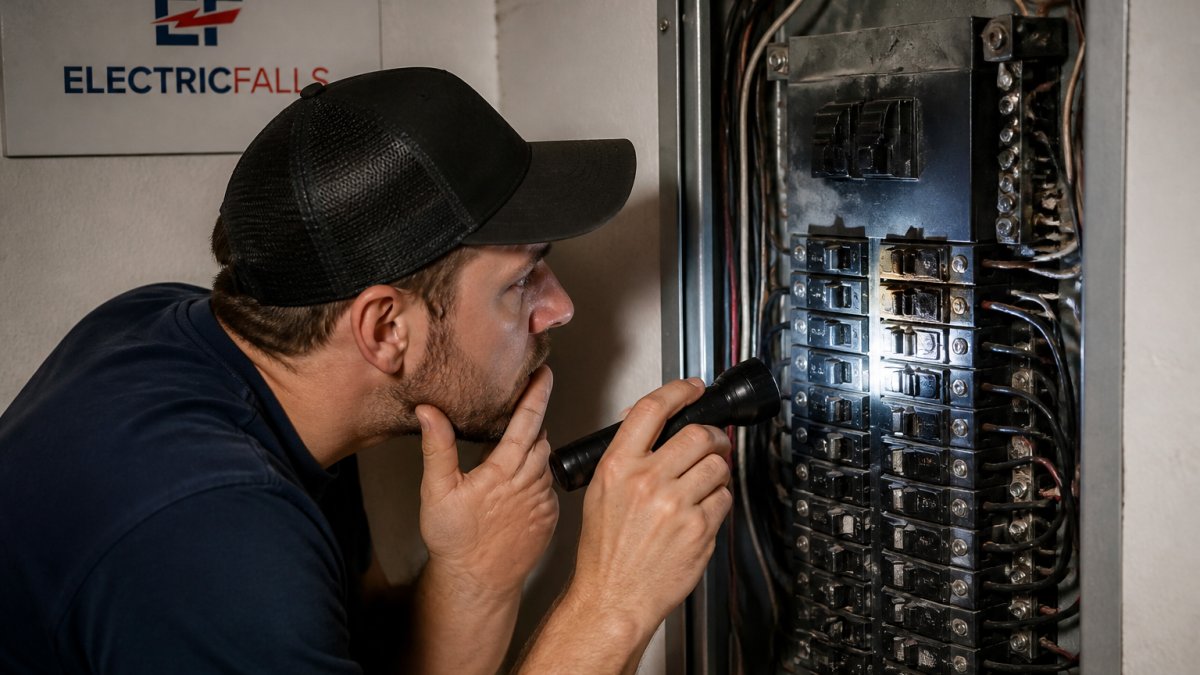
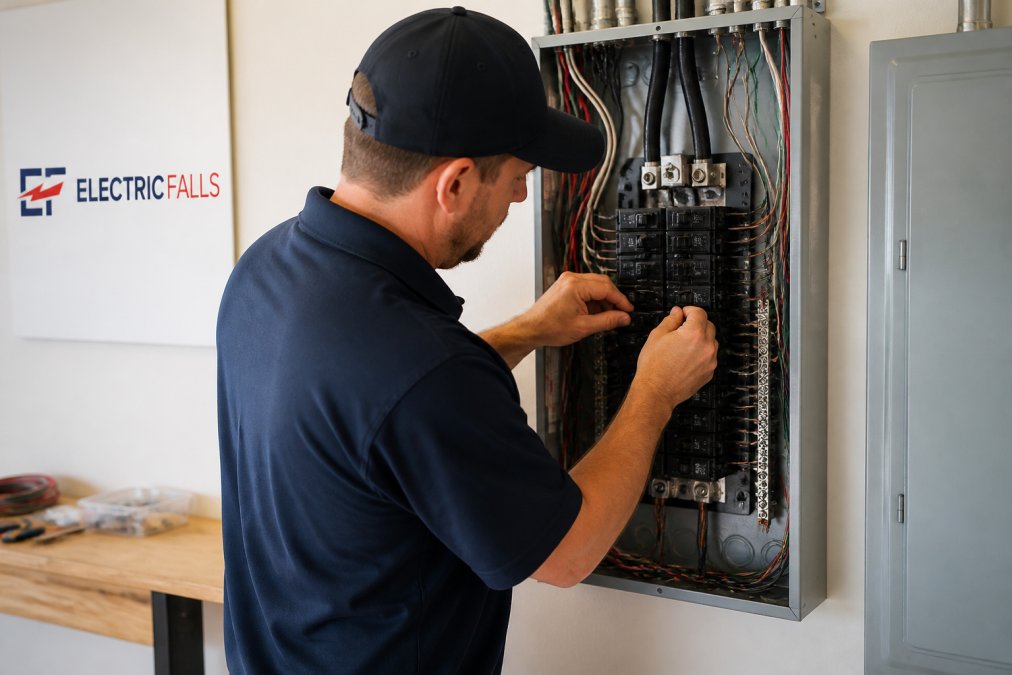
A licensed electrician begins by examining your electrical panel, looking at breaker condition, labeling accuracy, and signs of overheating or corrosion. They test the main breaker and verify proper grounding. They check for double-tapped breakers (two wires on one breaker) and tandem breakers that exceed safe capacity.
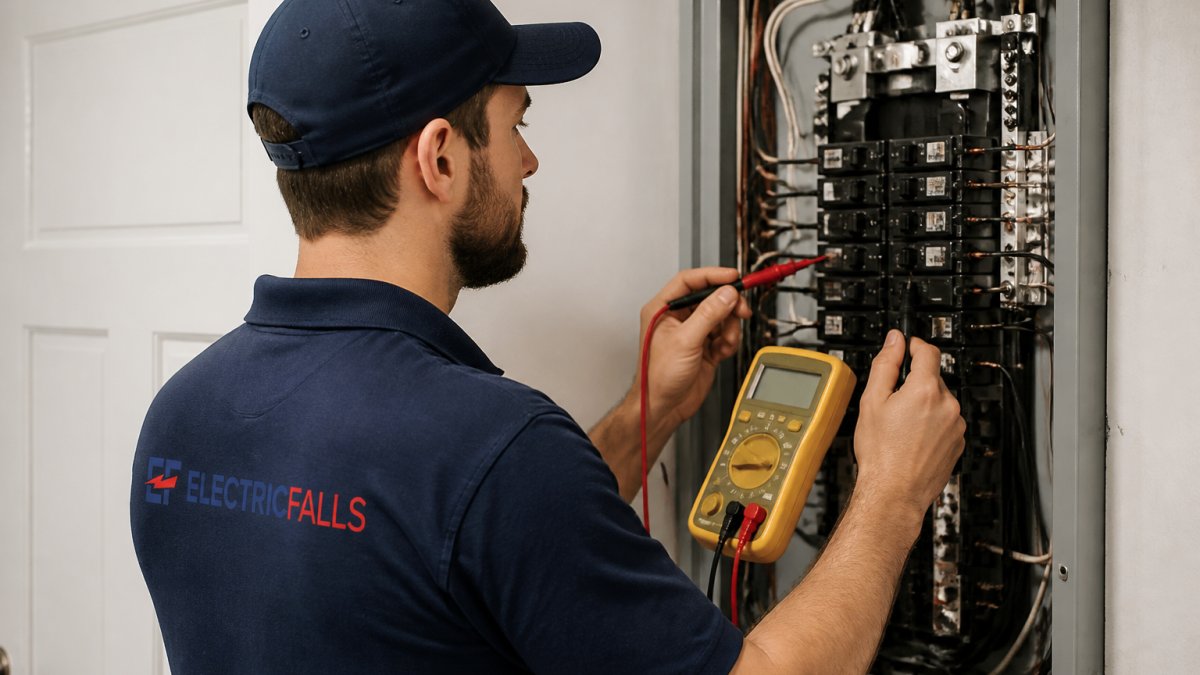
Next, they inspect outlets and switches throughout the home. They test GFCI outlets in bathrooms and kitchens to ensure they're protecting against ground faults. They check for proper grounding at three-prong outlets using a testing device that verifies the safety ground is connected correctly.
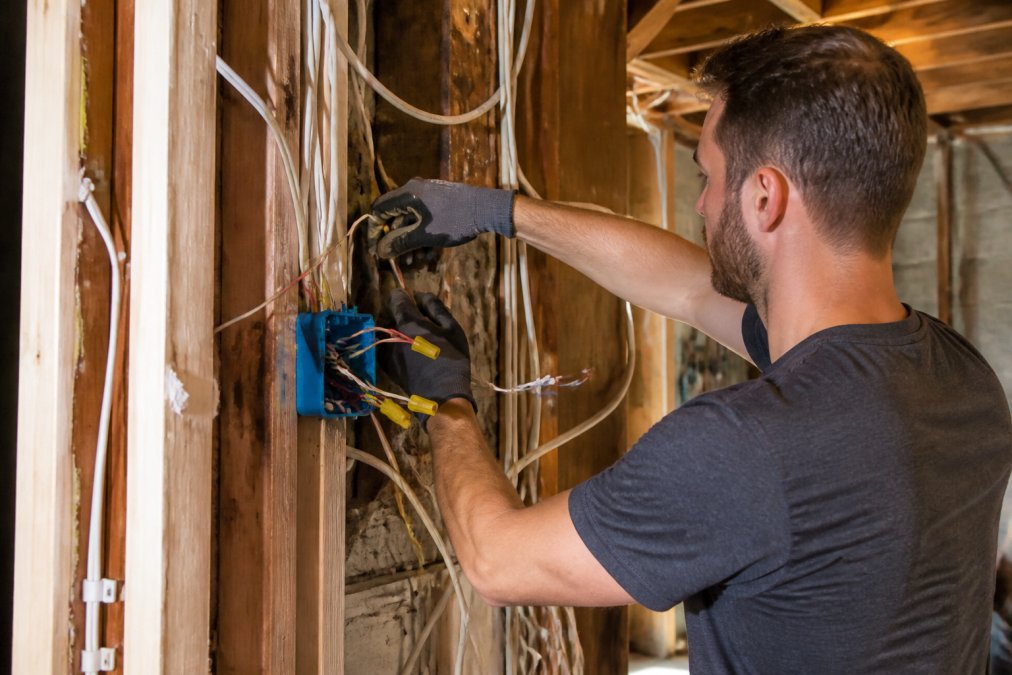
The electrician examines visible wiring in attics, basements, and crawl spaces. They look for damaged insulation, improper connections, and code violations. They assess whether wire gauges match the circuit breaker amperage, a critical safety factor.
They test for proper bonding of metal water pipes and gas lines, which provides an alternative path to ground in emergencies. They verify that the main water shut-off and gas lines are properly bonded to the electrical system.
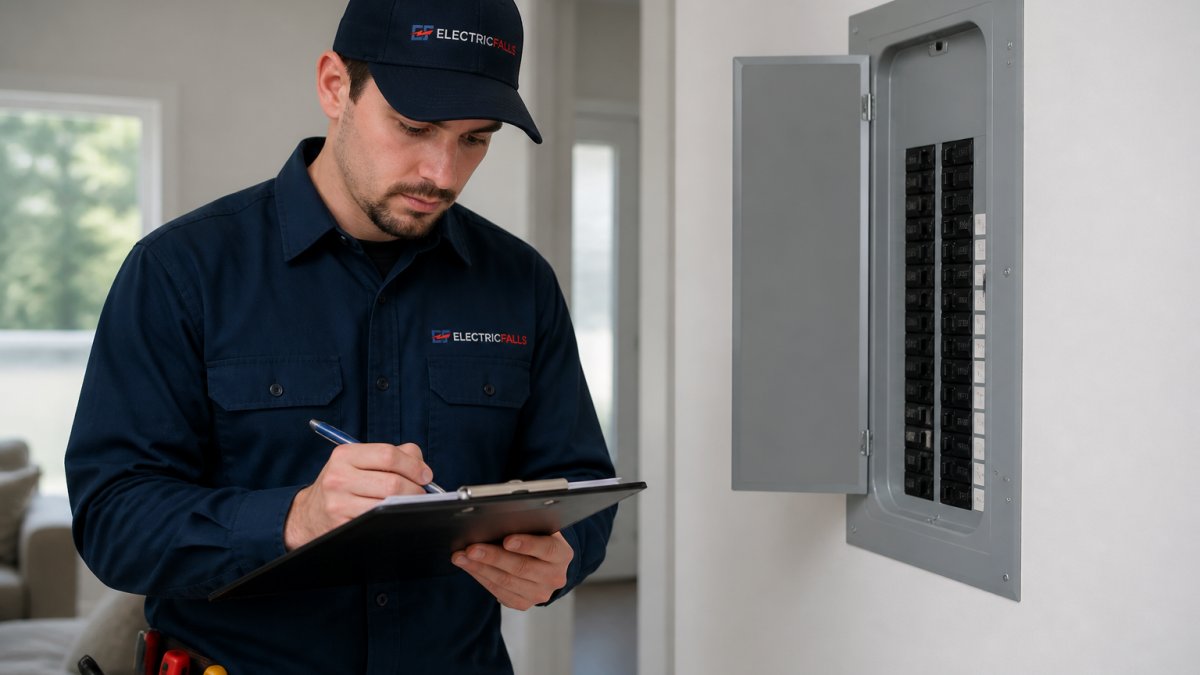
Finally, they document findings and provide a detailed report. This report becomes your roadmap for any necessary repairs or upgrades.
Building codes exist because people died or lost homes before the rules were written. Modern electrical codes reflect decades of learning what works safely. Your home's electrical system should comply with the National Electrical Code (NEC), which sets the standard for safe electrical installation and is adopted by most jurisdictions.
Insurance Coverage and Claims Protection
Non-compliant wiring can void your homeowner's insurance claim if an electrical fire occurs. Insurance companies investigate fire origins, and if they find code violations, they may deny coverage. This is a critical financial protection issue, not just a safety one. Many insurance companies offer discounts for homes with recent electrical inspections and compliant systems. Some require inspections for older homes or before issuing policies.
Impact on Property Resale Value and Buyer Confidence
Documenting Compliance for Future Transactions
Electrical safety inspections transform hidden risks into actionable knowledge. They protect your family from fire and shock hazards, safeguard your electronics and appliances, and provide the documentation your insurance company and future buyers need. The investment in a professional inspection pays dividends through safety, compliance, and property value.
Older homes often have outdated wiring, deteriorated insulation, and electrical systems designed for lower power demands than today's appliances require. Electrical inspections identify safety risks like knob-and-tube wiring, aluminum wiring, and undersized panels that can cause fires or electrical failures. Homes built before modern electrical codes were established may not meet current safety standards, making inspections essential for fire prevention and regulatory compliance.
Most homeowners should have a professional electrical inspection every 3 to 5 years. Homes older than 40 years should be inspected more frequently, every 2 to 3 years, to catch deteriorating wiring and aging components. After major renovations, if you're buying a home, or if you experience frequent circuit breaker trips or flickering lights, schedule an inspection immediately. Property managers with rental units should inspect annually to maintain tenant safety and meet landlord obligations.
Professional inspections commonly reveal circuit overload, outdated wiring, inadequate grounding and bonding, faulty arc fault protection, ground fault circuit interrupter failures, and damaged insulation. Inspectors also identify hazards like overcrowded electrical panels, reversed polarity, missing outlet covers, and improper wire gauging. These hidden defects can lead to electrical fires, electrocution risks, and equipment damage. Catching them early through inspection prevents costly repairs and protects your family.
Yes. Many homeowners insurance providers offer discounts or require electrical inspections, especially for older homes or properties with a history of electrical issues. A professional electrical safety audit and certification demonstrates compliance with electrical codes and safety standards, which can lower your premiums and protect your coverage. Insurance companies view regular inspections as risk mitigation, making them a smart investment that pays for itself through reduced insurance costs and prevention of fire-related claims.

What an excellent experience! I highly recommend this company! from first contact, through quoting, modifications to scope, ordering materials, installation and follow through, there was not a single minute that I didn't know exactly what was going on. The communication, product and service were all impeccable. A+

Gerry T.


Dustin came over to our house and helped us hook up a hot tub. His quote was well below others that we had come over and he was super easy to work with. I would recommend electric falls to anyone who needs a great electrician at an affordable cost!

Hailey W.
These guys are awesome. More than fair pricing, punctual and professional! Highly recommend!

Jim C.
Quick response and fixed the problem efficiently. Would use him again with any needs.

Christine P.
We had a great experience with Electric Falls. We had a need to replace an old fuse box with a breaker box. Dustin was quick to respond, was reasonable in his quote, and did exceptional work. We were pleased with his coordination with us and with Idaho Falls Power. He performed the work when he said he would do it and completed the work within the timeframe that was estimated. Overall, we are extremely satisfied with Electric Falls and will be calling on them again for future needs.

Paul M.
I can not say enough good things about these guys. They got to me so quickly, were incredibly nice, and handled my problem right away. 10/10 would recommend

Whitney P.
Dustin is everything you wish for in every small business owner! He went above and beyond right out of the gate by coming by to do my quote in the evening when he was leaving for a long weekend the next morning. He explained everything about the quote. Price was fair for work being done. He and Cameron showed up as promised and did quick, quality work. Highly recommend!

Robert N.
Dustin was professional from bid thru install of our emergency home generator. In the future I'm going to call for a bid to do the electrical install in our unfinished basement. I'm thinking I don't want you to know about him because he will become too busy to help me. But, go ahead and do with this review as you will but I'm keeping his name at the top of my contacts list. :-)

Korky F.
We had Dustin from Electric Falls come out and install the wiring for a hot tub as well as install a whole home surge protector. Dustin was awesome. He was super informative and got us all set up right away. We are so thrilled that we found a great and reliable electrician. His workers were awesome as well. They were very helpful.

Todd R.
Wonderful customer service and very professional yet personable technicians.
Said what they would do and for how much and they did it
Thank you for all your work

Earl L.
Quick and Efficient! Was able to find the problem and get it all taken care of within the same day so we had our power and utilities working properly again.

Abigail J.
We had Electric Falls run some electricity to our newly built shed. It required trenching the yard to bury some of the lines. They did an awesome job! They were right on time and cleaned everything up. The end price was the exact amount quoted! We will be calling on them again!

Steve C.
Dude was the best, mega polite, answered literally every question we possible had. Pricing was fair and straightforward. He came right away and got out power back up.

Alex M.
What a great job! Electric Falls were professional, quick, knowledgeable and kind. It’s was my first project with them and I will have many more to come. They will be my first choice all things electrical from here on out. Keree 💝❤️🙏

Keree A.
Great to work with! Very knowledgeable, great at explaining the issue, and got the job done fast!

Ryan S.
Dustin was at our home this morning to repair several light issues. He was here on time, got the job done quickly and made several helpful suggestions for upgrades in our home as it is over 40 years old. Very professional and knowledgeable. Will use again.

Dennis B.
These folks worked with me on a very short timeline, even did the job on Sunday. Price was explained in detail and was very reasonable. They went above and beyond to take care of me. I would highly recommend them for any of your electrical or generator needs.

AC
Great service and a good recommendation to solve my problem!

Andy E.
Great friendly, professional, and local service. Prompt scheduling and arrived as promised! Diagnosed my electrical problem quickly and resolved the issue for a fair price.

David S.
Electric falls responded quickly and they worked with me to get my house in much better shape. Dustin was very knowledgeable, the cost for the services were reasonable and he finished everything very quickly.

Katrina S.
Great Service!

Richard J.
Dustin and Cameron came to look and see what they needed to hook up our garbage disposal, and within 30 minutes they had put in a new outlet and hooked up the disposal to a switch. Very kind and respectful gentleman who make electrical problems a breeze for a fair price.

Marissa H.
Super fast and very friendly!

Mackenzie J.
They are very good to work with. Always called to let me know exactly when they were coming. Came on time and finished earlier than expected.

Laura M.
Dustin was recommended to me and within a few hours of calling him he was out to my house in Shelley and fixed the issue. The cost was fair and Dustin was so kind and professional. He was able to work with my schedule and even let me know when he was on his way. Highly recommend if you are in need of an electrician.

Jenna H.
Highly recommend these guys. Cameron and Dustin were fast and efficient and answered all our questions we installed a home surge protector because recently the power went out and blew our furnace.

McKinzi M.
This company is amazing! Very professional and great to work with. I would highly recommend them to anyone.

Justin R.
Very personable service. We had a couple of light fixtures changed out to ceiling fans, had a fan installed in a bathroom and a few other light switch modifications done and the work was very good! And they cleaned up any mess well! Would recommend using them.

Susan M.
Dustin was great to work with. Their pricing was fair, they were great to communicate with, and they were prompt to get the work done with a schedule that worked great for me.

Kelly S.
Highly recommend Electric falls, they came out next day, gave us a couple of options with what works in our price range, and got us squared away extremely fast. We will definetly be calling them again very soon for some future needs. Thank you for everything.

Casey D.
Communicated very well. Friendly and easy going. He worked with my schedule. Lead time was only a couple of weeks. I look forward to using his service on the next step of my project.

Andrew M.
Dustin solved our electrical problems with one call. His response was quick and the cost was reasonable. We're very satisfied.

Frank W.
Since I used to DO this work and medically can’t do it myself, it gives me great pleasure to say that ElectricFalls.com will give you the same professional, ethical and proper service to you when you need electrical work done that they gave me. And will give me in my next project.No job too big or too small, all you need to do is ASK.

Carol B.
We had an electrical issue with a heater in our downstairs toy room. We called Dustin Thurman of Electric Falls, and he came out that same day; he was able to diagnose the problem and fix it quickly and completely. He explained what he thought was probably the problem, and it turned out to be exactly that. He was courteous and professional, explained everything to us, including how to avoid the problem in the future, and we would not hesitate to call Dustin again for any electrical problem. We would highly recommend him to friends and family.

Gail I.
This was a great experience! We called around and didn't get call backs from anyone. We needed a EV charger installed. Electrical Falls answered immediately made it out to our home for a quote within an hour. We agreed on a honest and fair price. Install was done properly and within a time frame that worked perfect for us! Thank you Electric falls you will be our first call in the future and will be highly recommended!

Marcelino S.
Electric Falls was prior in getting back to me and did a quick great job with my electrical needs. Very friendly and really well priced!

Zoey C.
Excellent work and cleans up after the work as well! Plus, Dustin was on time, courteous and friendly. I would have them do more work for me anytime I need it.

Mary Ann C.
Dustin with Electric Falls was absolutely amazing to work with. He answered all our electrical questions while buying a home, and then helped us fix them after closing. His flexibility and kindness made him super easy to work with. I would recommend him for any job, and we will be utilizing him for future projects on our new home. Such a great experience!!
.svg)
Danielle S.
Dustin has helped us with several electrical jobs and knocks it out of the park every time. He is efficient, professional, friendly, and cleans up after he's done – not many do this these days! If and when we need more work done we will never hesitate to call Dustin at Electric Falls. Thanks

Madeline
Prompt, efficient, knowledgeable, tidy, honest, friendly, reasonable rates. After all the electricians we have tried, Dustin at Electric Falls is by far the best in every way. I will never call anyone else ever again for our electric needs.
.svg)
Debbie H.
Dustin is very responsive, he's a great communicator, and he is reasonably priced. I have hired him for four separate jobs in the last four months, and I plan to hire him for more jobs in the future.

Russell P.
Dustin is great to work with and very fast. He squeezed me in very quickly and worked quickly and efficiently until it was done. Also reasonably priced. I would highly recommend Electric Falls
.png)
Rachael J.
Dustin jumped in and took amazing care of us on short notice! He was able to squeeze us in and took care of business quickly and efficiently without overcharging. We are so appreciative of the work he did! If you ever need a great electrician to help you with your home, whether a new build or a place you’ve been in for years, Dustin is your guy! Give him a call; you won’t be disappointed!!!
.svg)
Jarod P.
Dustin has great customer service and is a knowledgeable electrician. He fixed our wall heater, installed a ceiling fan, and corrected some crossed wires on a two-way switch. He also checked out some outlets I had concerns with. He was friendly and professional. I highly recommend.

Amanda G.
Electric Falls is professional,friendly, and fair priced! We will definitely be using them for all our electrical needs in the future.
.svg)
Chandler L.
Great company to work with for any electrical needs you have. On time, professional, fair pricing and very knowledgeable. We will definitely use them again!!
.svg)
Heather K.
If you're looking for a competent, courteous, and thorough electrician, look no further. Dustin definitely exceeded all of our expectations!
.png)
Mike G.
Very knowledgeable and professional. Would recommend to others.
.png)
Trena T.
Dustin was very pleasant and did an excellent job
.svg)
Robert T.
Dustin does excellent work!! Quick, efficient. Very flexible!!
.svg)
Lance L.
Very knowledgeable and professional service. I will be using him again and will definitely recommend him to others.
.png)
Donna T.
Dustin is professional, timely, and friendly.
.svg)
DJ D.
They were prompt and did a good job.
.svg)
Wood F.
Outstanding service, not waiting, answers inquiries fast and to the point.
.png)
Rubi F.
Very happy with their work.
.png)
Glenn W.
We lost all Power at the last outage. It fried our panel and breakers. We also lost a thermostat. He replaced all of that plus put a surge protector so we wouldn't have that problem again. He was very professional and explained things very well along with price before doing anything. I would definitely use them again for electrical problems. I trust them and so can you.
.svg)
Bonnie M.
Thank you!
Positive Quality, Professionalism
.png)
Cody F.
Fan installation, Light fixture repair, Electrical outlet & switch installation
.png)
Darin T.

© Electric Falls. All Rights Reserved.
Welcome to Electric Falls, where our commitment to excellence in electrical services has been illuminating the Southeast Idaho community for several years.


.svg)







.png)
.png)
.png)
.png)