
Last Updated: October 9, 2026
Homes built decades ago often have electrical systems that weren't designed for today's power demands, which is why electrical safety tips for older homes start with understanding what you're dealing with. Modern appliances draw far more current than older wiring can handle, creating real risks: electrical fires, shocks, and equipment damage.
Electrical safety tips for older homes start with understanding what you're dealing with. Older wiring types, undersized panels, and missing safety features like ground fault circuit interrupters (GFCI) outlets are common.
The good news: most problems are fixable, and you can start by learning to spot the warning signs yourself.
Your home may need rewiring if you notice any of these red flags. None are normal, and all warrant a professional electrical inspection.
Frequently tripped breakers mean the same thing.
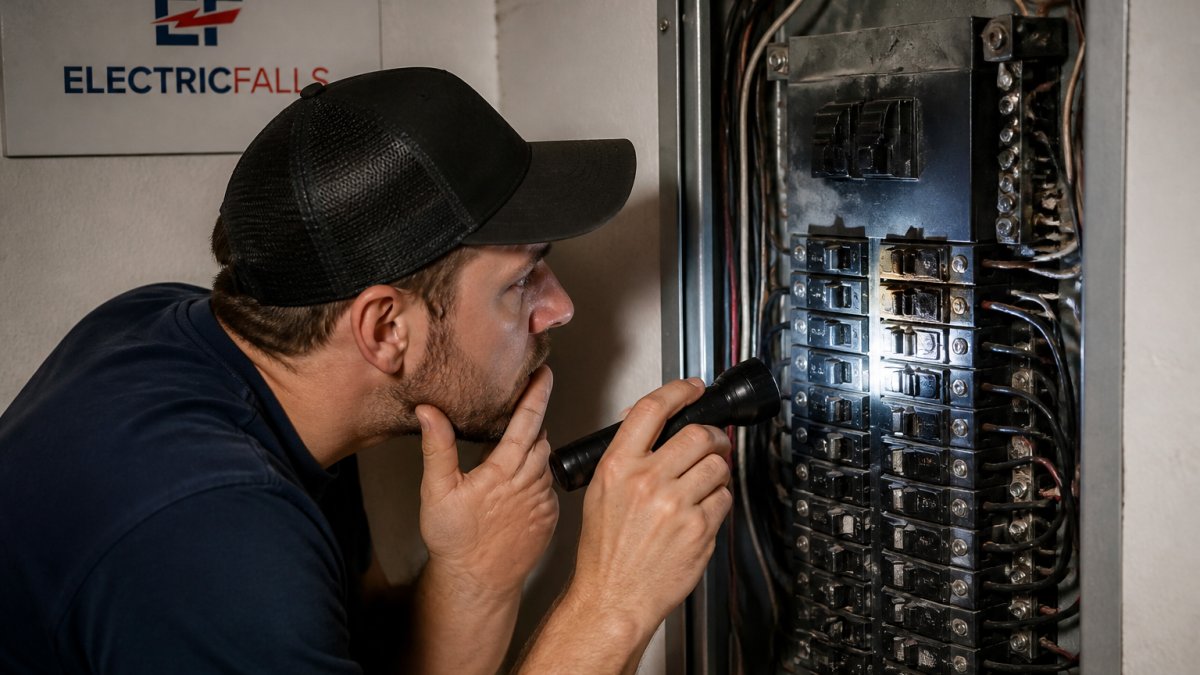
Burning smells near outlets or the electrical panel indicate overheating wiring or connections.
Outlets that don't work or work intermittently suggest loose connections or failing wiring. Don't ignore dead outlets, replace or inspect them.
Warm outlets or switches are dangerous. Heat means resistance in the circuit, which can lead to fire, so this needs immediate attention.
Buzzing sounds from outlets, switches, or the panel mean electrical arcing, a fire hazard. Turn off the circuit and get professional help.
Visible damage to cords or outlets, cracks, scorch marks, or melting plastic, means the system is failing. Replace them immediately.
Older homes often contain wiring types no longer installed because they're less safe than modern alternatives. Knowing what you have helps you understand your risk.
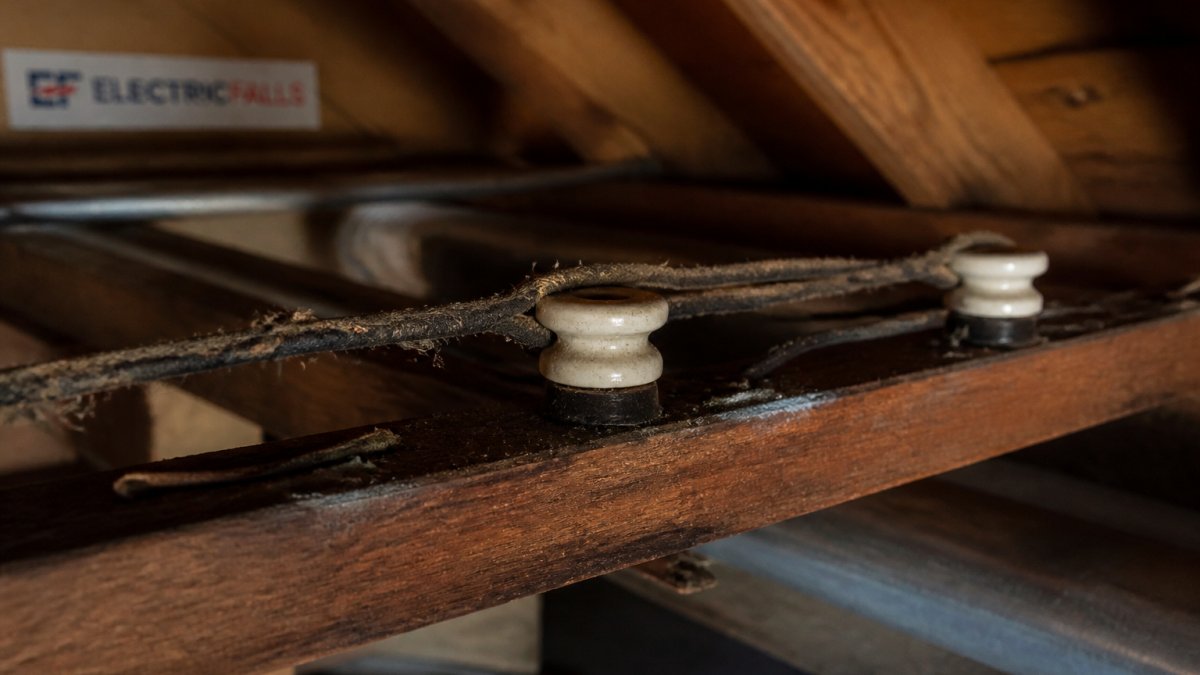
Knob-and-tube wiring, common in homes built before the 1950s, consists of individual copper wires run through ceramic knobs and tubes in walls and attics.
It has serious limitations: no ground wire, insulation that deteriorates over time, and a rating for lower power loads than modern homes demand. Many insurers won't cover homes with active knob-and-tube wiring.
If your home still has knob-and-tube wiring, rewiring should be a priority, one of the clearest signs a house needs rewiring.
Aluminum wiring was used in many homes built in the 1960s and 1970s as a cost-saving measure. It's lighter and cheaper than copper, but it has real problems.
Aluminum expands and contracts more than copper as temperatures change, loosening connections and creating fire-starting hot spots. It also oxidizes in air, increasing resistance at connections, and corrodes when it touches certain materials, including copper, making it a documented fire hazard.
Homes with aluminum wiring need professional inspection. In many cases the wiring can stay in place if connections are properly maintained, but this requires ongoing attention and expertise.
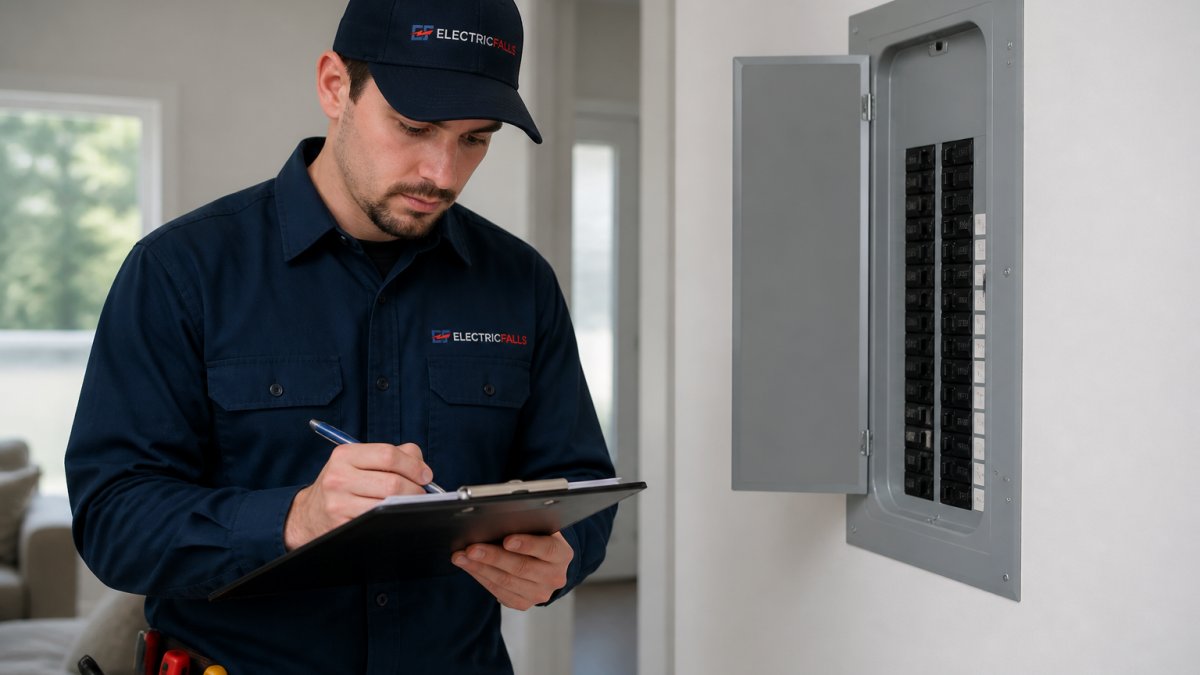
A professional electrical inspection is the clearest way to know what you're dealing with. An inspector checks your panel, wiring, outlets, grounding, and safety features, then gives you a detailed report you can act on.
What an inspection covers: The inspector tests outlets for grounding and polarity, checks the panel for capacity and labeling, examines visible wiring for damage or outdated types, tests GFCI and AFCI protection, and looks for overheating, loose connections, or fire hazards.
When to get an inspection: Get one before buying an older home, before renovations, or if you notice any warning signs above. Many homeowners inspect every 5-10 years as preventive maintenance.
Not every finding is an emergency. Use this order to decide what to address first and what to gather before an electrician visit.
Address immediately (same day):
Schedule within weeks:
Plan for the next 6-12 months:
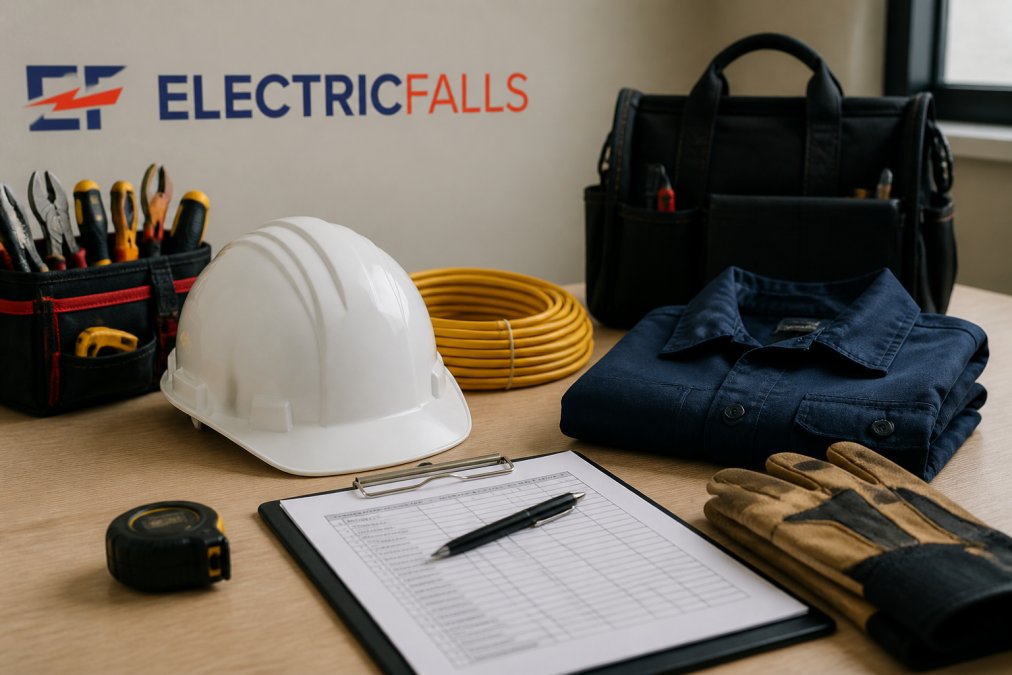
What to gather before the visit:
What happens next: If the inspection finds problems, the inspector recommends repairs or upgrades. Some need immediate attention; others can be prioritized by risk. A qualified electrician can explain what you need, when, and why.
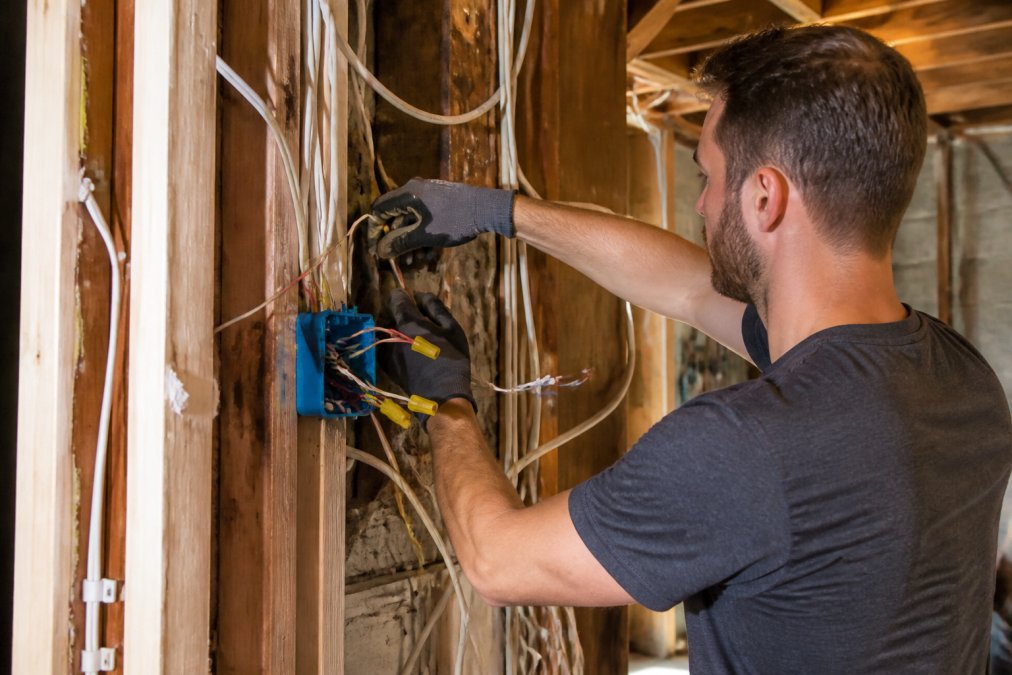
If you are renovating an older home, electrical work often triggers permits and current-code requirements. Requirements vary by state, county, and municipality, so verify local rules before work begins. Common triggers include adding circuits, replacing a panel, extending wiring into a new room, or converting a space into a kitchen or bathroom. In many jurisdictions, opening a wall requires bringing the exposed electrical work up to current code even if the rest of the home is grandfathered. Confirm with your local building department and use a licensed electrician who pulls the required permits.
Two-prong outlets lack a ground pin, a safety feature that protects you from shock. Modern code requires three-prong grounded outlets almost everywhere in the home.
Why this matters: Two-prong outlets can't accommodate many modern appliances and devices, which are designed for grounded three-prong outlets. Adapters defeat the safety feature entirely.
The real risk: Without grounding, fault current can flow through you instead of safely to ground, increasing shock hazard, especially in kitchens and bathrooms where moisture is present.
What to do: Replace two-prong outlets with three-prong grounded outlets.
Older electrical panels were sized for the power demands of their era. Homes built in the 1960s and earlier often have 60-amp or 100-amp service.
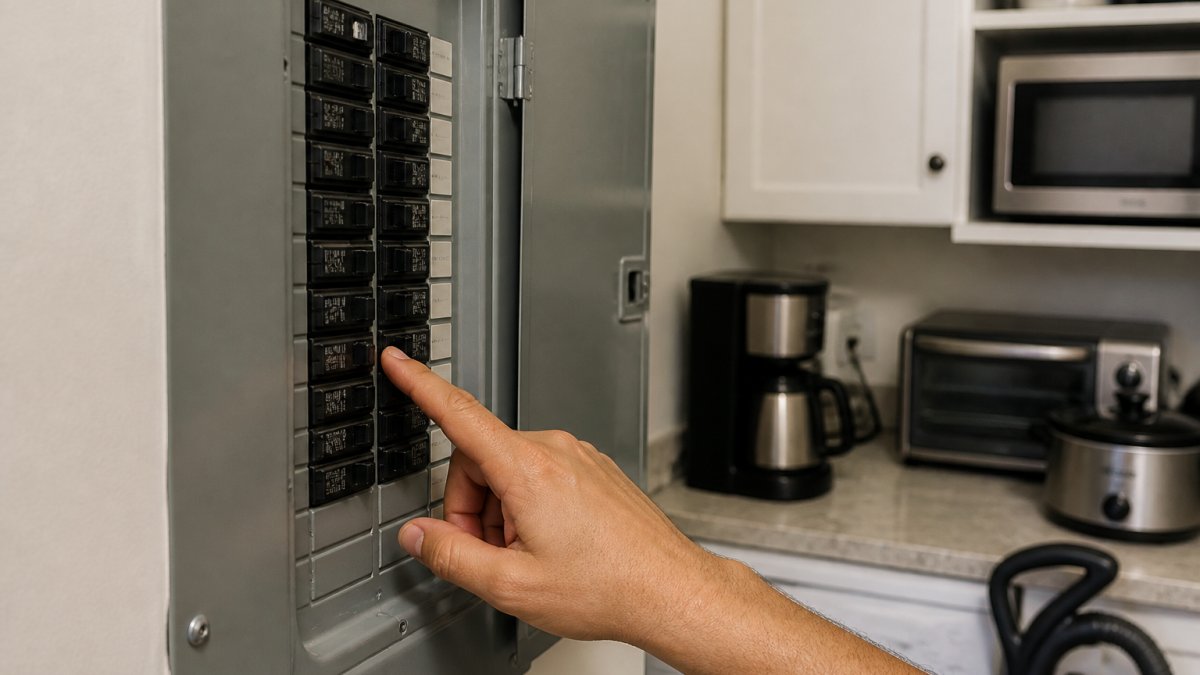
Signs of an overloaded panel: Breakers trip when you run multiple appliances. Lights dim when the air conditioner kicks on. The panel is hot to the touch.
What's happening: Your home is drawing more power than the panel can safely deliver.
The fix: A panel upgrade increases your home's electrical capacity. This significant project requires a licensed electrician and permits, but it's essential if your panel is regularly overloaded.
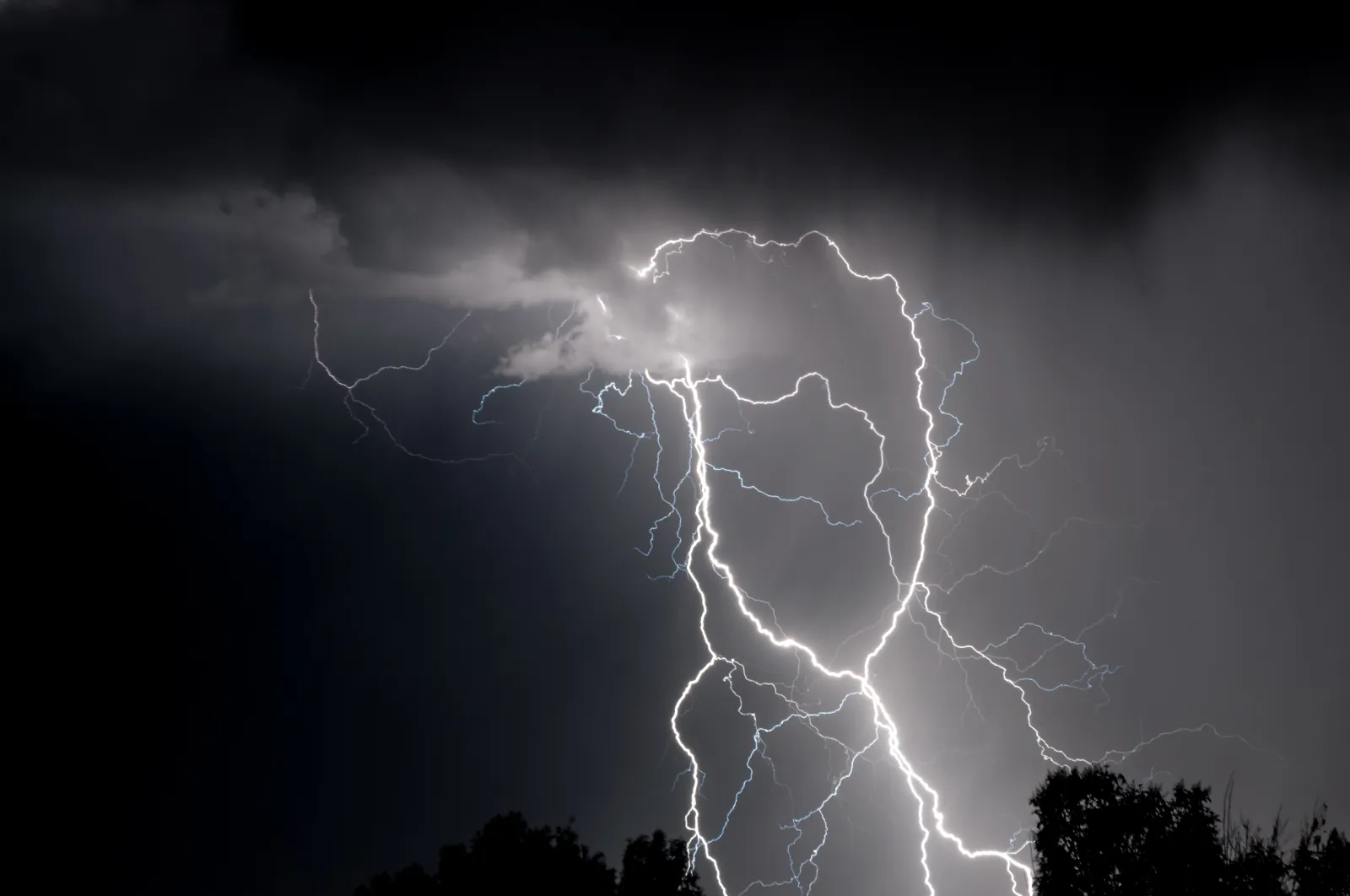
Electrical surges damage expensive electronics and appliances. A single surge from lightning, a utility grid event, or a large appliance cycling on can destroy computers or major appliances in seconds.
Whole-home surge protection installs at the panel and clamps voltage spikes before they reach your devices.
GFCI outlets (ground fault circuit interrupter) cut power instantly if they detect a ground fault, current flowing where it shouldn't.
AFCI outlets and breakers (arc fault circuit interrupter) detect dangerous electrical arcs and cut power before a fire can start.
If your older home doesn't have GFCI and AFCI protection, adding it is a smart safety upgrade.
Knowing what to do in the first 30 seconds matters more than any upgrade.
Electrical fire: If safe, unplug the device or shut off the breaker. Never throw water on an electrical fire. Evacuate and call 911.
Electrical shock: Do not touch the person if they're still in contact with the source.
Downed or exposed live wire: Stay back at least 35 feet, keep others and pets away, and call 911 and the utility.
Suspected live panel or outlet: Do not touch it. Shut off power at the main breaker only if you can do so safely from a dry location.
Electrical safety in an older home is also about reach, lighting, and mobility. Practical adjustments reduce both shock and fall risk.
These changes complement larger upgrades like GFCI, AFCI, and panel work, addressing the two biggest risks in older homes: aging wiring and age-related mobility limits.
Use this checklist to assess your older home's electrical condition, prioritizing high-risk items first.
| Safety Item | Status | Priority | Notes |
|---|---|---|---|
| Professional electrical inspection completed | ☐ | High | Do this first if you haven't |
| No flickering or dimming lights | ☐ | High | Indicates overloaded circuits |
| Breakers trip rarely or never | ☐ | High | Frequent trips mean panel is undersized |
| No burning smells near outlets or panel | ☐ | High | Fire hazard, address immediately |
| All outlets work properly | ☐ | Medium | Dead outlets may indicate wiring failure |
| No warm or hot outlets or switches | ☐ | High | Heat indicates dangerous resistance |
| No visible damage to cords or outlets | ☐ | Medium | Replace damaged components |
| Knob-and-tube wiring removed or replaced | ☐ | High | Major fire hazard in older homes |
| Aluminum wiring connections inspected | ☐ | Medium | Requires professional assessment |
| Three-prong grounded outlets in kitchens and bathrooms | ☐ | High | Safety requirement for wet areas |
| GFCI outlets in kitchen, bathroom, basement, and outdoors | ☐ | High | Shock prevention in wet areas |
| AFCI outlets in bedrooms and living areas | ☐ | Medium | Fire prevention, increasingly required |
| Whole-home surge protection installed | ☐ | Medium | Protects expensive electronics |
| Electrical panel capacity adequate for current use | ☐ | High | Undersized panels cause frequent outages |
| All circuits properly labeled at panel | ☐ | Low | Helps with maintenance and emergencies |
Electrical safety in older homes doesn't require replacing everything at once. Start with a professional inspection to understand your actual risks, then address high-priority items, overloaded circuits, missing grounding, fire hazards, first.
These upgrades improve your home's safety, protect your electronics and appliances, and often increase your property value. Electric Falls specializes in residential electrical work for older homes throughout Southeast Idaho. We help homeowners understand their options, prioritize upgrades, and complete the work safely and to code.
Older homes face several electrical hazards: outdated wiring systems like knob-and-tube or aluminum wiring, overloaded circuits that weren't designed for modern appliance demands, two-prong ungrounded outlets, deteriorated insulation, and aging electrical panels with limited capacity. These conditions create fire risks, shock hazards, and power failures. A qualified electrician can identify which hazards exist in your home through a thorough electrical inspection.
Signs a house needs rewiring include frequent circuit breaker trips, flickering or dimming lights, outlets that feel warm, a burning smell near outlets or the electrical panel, visible wire damage, and an inability to safely operate multiple appliances at once. If your home was built before 1970 and still has original wiring, an electrical inspection is essential. Homes with knob-and-tube or aluminum wiring should be professionally evaluated for safety.
Two-prong outlets in old houses lack grounding, which increases shock risk and offers no protection during electrical faults. Modern appliances and safety codes require three-prong grounded outlets, especially in bathrooms, kitchens, and outdoor areas. While older two-prong outlets may still function, they don't meet current electrical code standards and don't provide the same level of protection. Upgrading to grounded outlets or installing GFCI protection can improve safety.
Older homes should be inspected when purchased, then every 3-5 years as part of regular maintenance. If you notice warning signs like frequent breaker trips, warm outlets, or flickering lights, schedule an inspection immediately. After any renovation or if adding new circuits, a professional inspection ensures the work meets electrical code. A qualified electrician can assess your specific home's condition and recommend an appropriate inspection schedule.

What an excellent experience! I highly recommend this company! from first contact, through quoting, modifications to scope, ordering materials, installation and follow through, there was not a single minute that I didn't know exactly what was going on. The communication, product and service were all impeccable. A+

Gerry T.


Dustin came over to our house and helped us hook up a hot tub. His quote was well below others that we had come over and he was super easy to work with. I would recommend electric falls to anyone who needs a great electrician at an affordable cost!

Hailey W.
These guys are awesome. More than fair pricing, punctual and professional! Highly recommend!

Jim C.
Quick response and fixed the problem efficiently. Would use him again with any needs.

Christine P.
We had a great experience with Electric Falls. We had a need to replace an old fuse box with a breaker box. Dustin was quick to respond, was reasonable in his quote, and did exceptional work. We were pleased with his coordination with us and with Idaho Falls Power. He performed the work when he said he would do it and completed the work within the timeframe that was estimated. Overall, we are extremely satisfied with Electric Falls and will be calling on them again for future needs.

Paul M.
I can not say enough good things about these guys. They got to me so quickly, were incredibly nice, and handled my problem right away. 10/10 would recommend

Whitney P.
Dustin is everything you wish for in every small business owner! He went above and beyond right out of the gate by coming by to do my quote in the evening when he was leaving for a long weekend the next morning. He explained everything about the quote. Price was fair for work being done. He and Cameron showed up as promised and did quick, quality work. Highly recommend!

Robert N.
Dustin was professional from bid thru install of our emergency home generator. In the future I'm going to call for a bid to do the electrical install in our unfinished basement. I'm thinking I don't want you to know about him because he will become too busy to help me. But, go ahead and do with this review as you will but I'm keeping his name at the top of my contacts list. :-)

Korky F.
We had Dustin from Electric Falls come out and install the wiring for a hot tub as well as install a whole home surge protector. Dustin was awesome. He was super informative and got us all set up right away. We are so thrilled that we found a great and reliable electrician. His workers were awesome as well. They were very helpful.

Todd R.
Wonderful customer service and very professional yet personable technicians.
Said what they would do and for how much and they did it
Thank you for all your work

Earl L.
Quick and Efficient! Was able to find the problem and get it all taken care of within the same day so we had our power and utilities working properly again.

Abigail J.
We had Electric Falls run some electricity to our newly built shed. It required trenching the yard to bury some of the lines. They did an awesome job! They were right on time and cleaned everything up. The end price was the exact amount quoted! We will be calling on them again!

Steve C.
Dude was the best, mega polite, answered literally every question we possible had. Pricing was fair and straightforward. He came right away and got out power back up.

Alex M.
What a great job! Electric Falls were professional, quick, knowledgeable and kind. It’s was my first project with them and I will have many more to come. They will be my first choice all things electrical from here on out. Keree 💝❤️🙏

Keree A.
Great to work with! Very knowledgeable, great at explaining the issue, and got the job done fast!

Ryan S.
Dustin was at our home this morning to repair several light issues. He was here on time, got the job done quickly and made several helpful suggestions for upgrades in our home as it is over 40 years old. Very professional and knowledgeable. Will use again.

Dennis B.
These folks worked with me on a very short timeline, even did the job on Sunday. Price was explained in detail and was very reasonable. They went above and beyond to take care of me. I would highly recommend them for any of your electrical or generator needs.

AC
Great service and a good recommendation to solve my problem!

Andy E.
Great friendly, professional, and local service. Prompt scheduling and arrived as promised! Diagnosed my electrical problem quickly and resolved the issue for a fair price.

David S.
Electric falls responded quickly and they worked with me to get my house in much better shape. Dustin was very knowledgeable, the cost for the services were reasonable and he finished everything very quickly.

Katrina S.
Great Service!

Richard J.
Dustin and Cameron came to look and see what they needed to hook up our garbage disposal, and within 30 minutes they had put in a new outlet and hooked up the disposal to a switch. Very kind and respectful gentleman who make electrical problems a breeze for a fair price.

Marissa H.
Super fast and very friendly!

Mackenzie J.
They are very good to work with. Always called to let me know exactly when they were coming. Came on time and finished earlier than expected.

Laura M.
Dustin was recommended to me and within a few hours of calling him he was out to my house in Shelley and fixed the issue. The cost was fair and Dustin was so kind and professional. He was able to work with my schedule and even let me know when he was on his way. Highly recommend if you are in need of an electrician.

Jenna H.
Highly recommend these guys. Cameron and Dustin were fast and efficient and answered all our questions we installed a home surge protector because recently the power went out and blew our furnace.

McKinzi M.
This company is amazing! Very professional and great to work with. I would highly recommend them to anyone.

Justin R.
Very personable service. We had a couple of light fixtures changed out to ceiling fans, had a fan installed in a bathroom and a few other light switch modifications done and the work was very good! And they cleaned up any mess well! Would recommend using them.

Susan M.
Dustin was great to work with. Their pricing was fair, they were great to communicate with, and they were prompt to get the work done with a schedule that worked great for me.

Kelly S.
Highly recommend Electric falls, they came out next day, gave us a couple of options with what works in our price range, and got us squared away extremely fast. We will definetly be calling them again very soon for some future needs. Thank you for everything.

Casey D.
Communicated very well. Friendly and easy going. He worked with my schedule. Lead time was only a couple of weeks. I look forward to using his service on the next step of my project.

Andrew M.
Dustin solved our electrical problems with one call. His response was quick and the cost was reasonable. We're very satisfied.

Frank W.
Since I used to DO this work and medically can’t do it myself, it gives me great pleasure to say that ElectricFalls.com will give you the same professional, ethical and proper service to you when you need electrical work done that they gave me. And will give me in my next project.No job too big or too small, all you need to do is ASK.

Carol B.
We had an electrical issue with a heater in our downstairs toy room. We called Dustin Thurman of Electric Falls, and he came out that same day; he was able to diagnose the problem and fix it quickly and completely. He explained what he thought was probably the problem, and it turned out to be exactly that. He was courteous and professional, explained everything to us, including how to avoid the problem in the future, and we would not hesitate to call Dustin again for any electrical problem. We would highly recommend him to friends and family.

Gail I.
This was a great experience! We called around and didn't get call backs from anyone. We needed a EV charger installed. Electrical Falls answered immediately made it out to our home for a quote within an hour. We agreed on a honest and fair price. Install was done properly and within a time frame that worked perfect for us! Thank you Electric falls you will be our first call in the future and will be highly recommended!

Marcelino S.
Electric Falls was prior in getting back to me and did a quick great job with my electrical needs. Very friendly and really well priced!

Zoey C.
Excellent work and cleans up after the work as well! Plus, Dustin was on time, courteous and friendly. I would have them do more work for me anytime I need it.

Mary Ann C.
Dustin with Electric Falls was absolutely amazing to work with. He answered all our electrical questions while buying a home, and then helped us fix them after closing. His flexibility and kindness made him super easy to work with. I would recommend him for any job, and we will be utilizing him for future projects on our new home. Such a great experience!!
.svg)
Danielle S.
Dustin has helped us with several electrical jobs and knocks it out of the park every time. He is efficient, professional, friendly, and cleans up after he's done – not many do this these days! If and when we need more work done we will never hesitate to call Dustin at Electric Falls. Thanks

Madeline
Prompt, efficient, knowledgeable, tidy, honest, friendly, reasonable rates. After all the electricians we have tried, Dustin at Electric Falls is by far the best in every way. I will never call anyone else ever again for our electric needs.
.svg)
Debbie H.
Dustin is very responsive, he's a great communicator, and he is reasonably priced. I have hired him for four separate jobs in the last four months, and I plan to hire him for more jobs in the future.

Russell P.
Dustin is great to work with and very fast. He squeezed me in very quickly and worked quickly and efficiently until it was done. Also reasonably priced. I would highly recommend Electric Falls
.png)
Rachael J.
Dustin jumped in and took amazing care of us on short notice! He was able to squeeze us in and took care of business quickly and efficiently without overcharging. We are so appreciative of the work he did! If you ever need a great electrician to help you with your home, whether a new build or a place you’ve been in for years, Dustin is your guy! Give him a call; you won’t be disappointed!!!
.svg)
Jarod P.
Dustin has great customer service and is a knowledgeable electrician. He fixed our wall heater, installed a ceiling fan, and corrected some crossed wires on a two-way switch. He also checked out some outlets I had concerns with. He was friendly and professional. I highly recommend.

Amanda G.
Electric Falls is professional,friendly, and fair priced! We will definitely be using them for all our electrical needs in the future.
.svg)
Chandler L.
Great company to work with for any electrical needs you have. On time, professional, fair pricing and very knowledgeable. We will definitely use them again!!
.svg)
Heather K.
If you're looking for a competent, courteous, and thorough electrician, look no further. Dustin definitely exceeded all of our expectations!
.png)
Mike G.
Very knowledgeable and professional. Would recommend to others.
.png)
Trena T.
Dustin was very pleasant and did an excellent job
.svg)
Robert T.
Dustin does excellent work!! Quick, efficient. Very flexible!!
.svg)
Lance L.
Very knowledgeable and professional service. I will be using him again and will definitely recommend him to others.
.png)
Donna T.
Dustin is professional, timely, and friendly.
.svg)
DJ D.
They were prompt and did a good job.
.svg)
Wood F.
Outstanding service, not waiting, answers inquiries fast and to the point.
.png)
Rubi F.
Very happy with their work.
.png)
Glenn W.
We lost all Power at the last outage. It fried our panel and breakers. We also lost a thermostat. He replaced all of that plus put a surge protector so we wouldn't have that problem again. He was very professional and explained things very well along with price before doing anything. I would definitely use them again for electrical problems. I trust them and so can you.
.svg)
Bonnie M.
Thank you!
Positive Quality, Professionalism
.png)
Cody F.
Fan installation, Light fixture repair, Electrical outlet & switch installation
.png)
Darin T.

© Electric Falls. All Rights Reserved.
Welcome to Electric Falls, where our commitment to excellence in electrical services has been illuminating the Southeast Idaho community for several years.


.svg)








.png)
.png)
.png)
.png)