Last Updated: November 5, 2026
Quick Summary
Coverage for knob and tube wiring depends on the insurer and the wiring's condition, so some carriers will write the policy while others decline it or attach conditions. Policies usually do not pay to fix the faulty wiring itself, but sudden fire or electrical damage may be covered depending on the cause and your exclusions.
Knob-and-tube wiring is one of the first things a home insurer asks about when an older house is involved. If you live in an older home in Southeast Idaho, the question of whether your homeowners insurance covers knob-and-tube wiring can decide whether you get a policy at all. Here is what you need to know.
Coverage depends on the insurer and the condition of the wiring. Some carriers will write a policy on a home with knob-and-tube wiring, while others may decline the home or attach conditions.
The short answer is that the wiring itself is treated differently from the rest of the house. Insurers see the knob-and-tube system as a fire risk, so they tend to scrutinize it more closely than newer wiring.
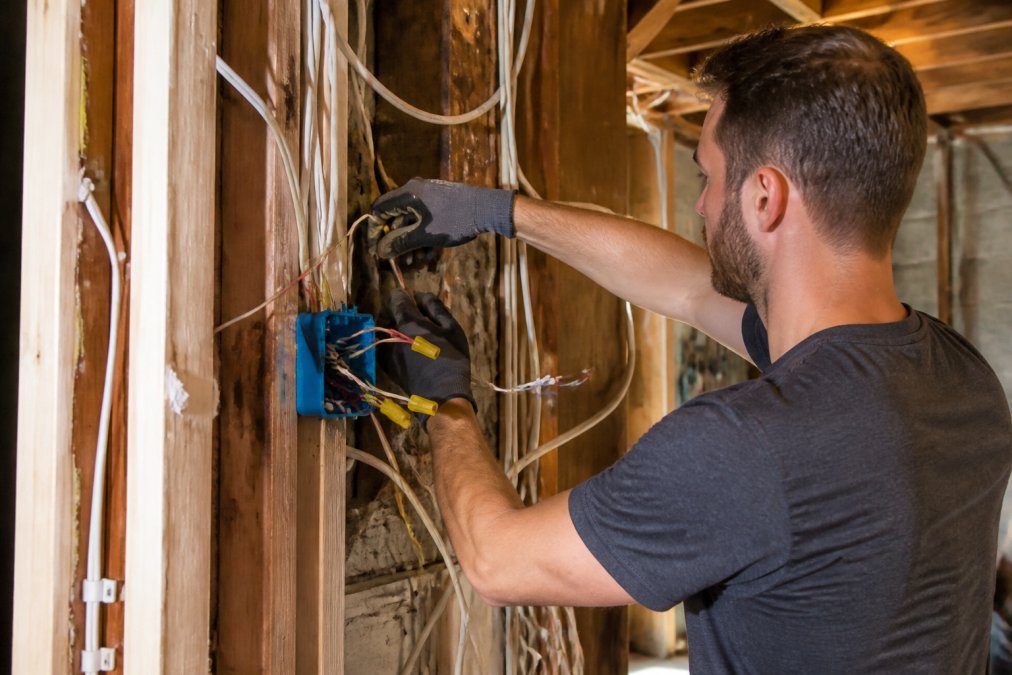
Knob-and-tube wiring was common in homes built before the mid-20th century. It uses separate copper conductors run through porcelain knobs and tubes, with no ground wire. That design was safe for its time, but it was never built for today's electrical loads.
Insurers focus on a few known problems:
A common mistake is assuming that because a system still works, the insurer will ignore it. Underwriters look at risk, not whether the lights turn on today.
Coverage varies by carrier. Some insurers will write a policy with knob-and-tube wiring in place, while others will decline the home until the wiring is removed or partly replaced.
Your agent is the best place to start. Ask the carrier directly whether it writes homes with knob-and-tube wiring, and what it requires to do so. Ask for the answer in writing, because underwriting rules change and a verbal answer from a call center is not binding.
This is the distinction most homeowners miss, and it is the one that decides whether a claim gets paid.
What a policy may cover is the sudden, accidental damage a fire or electrical event causes, such as damage to your structure, belongings, and sometimes additional living expenses.
Read the exclusions section, or ask your agent to walk you through it.
Underwriters look at the wiring's condition and extent, not just its presence. A home with a small amount of abandoned knob-and-tube wiring that is disconnected from the panel is treated differently from a home where the entire first floor is still on active knob-and-tube circuits. The assessment usually considers:
Carriers may request an inspection after the application is submitted and may attach repair conditions to the policy.
A carrier can decline a new application, cancel a policy mid-term for material misrepresentation, or nonrenew at the end of the term if the wiring condition has not been addressed. Nonrenewal is not the same as cancellation, and the notice requirements differ by state. If you receive a nonrenewal notice, ask the agent which carriers will consider the home and what documentation they need.
Here is what to check in your policy:
If you are shopping for a policy, ask the insurer to explain in writing what it excludes for electrical problems. That answer matters more than the premium alone.
Most homeowners policies are not built to pay for upgrading old wiring.
Here is what to check in your policy:
If you are shopping for a policy, ask the insurer to explain in writing what it excludes for electrical problems. That answer matters more than the premium alone.
The table below sums up what most policies include and exclude for old or faulty wiring, so you can check your own policy quickly.
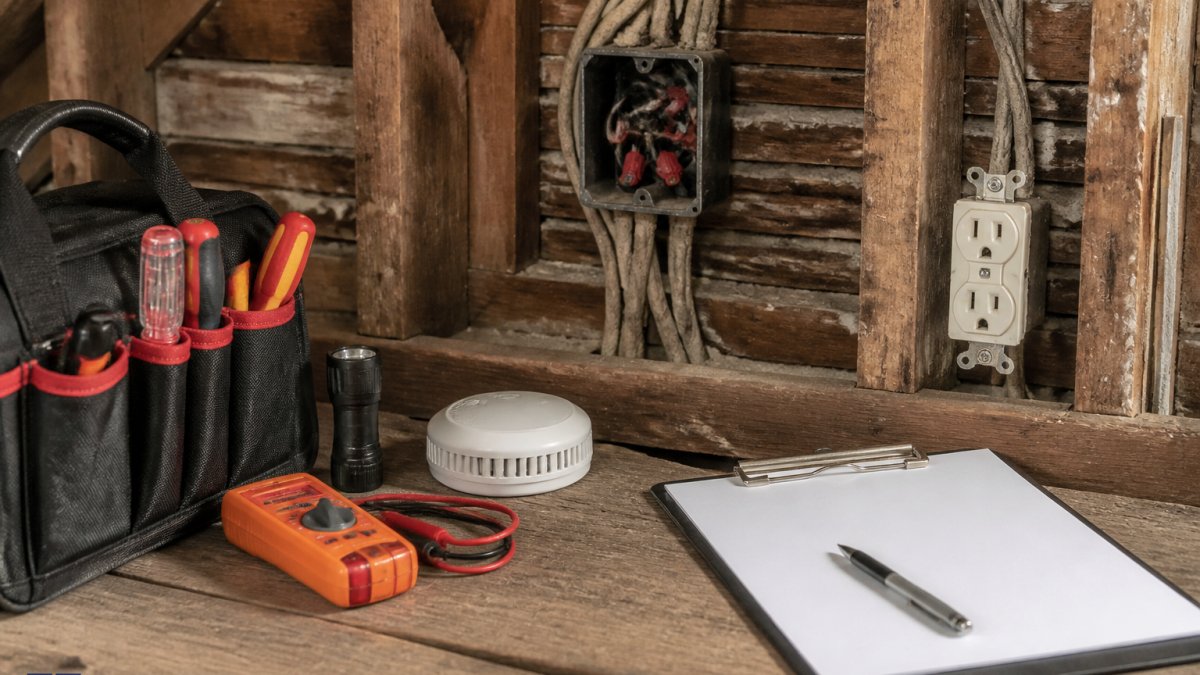
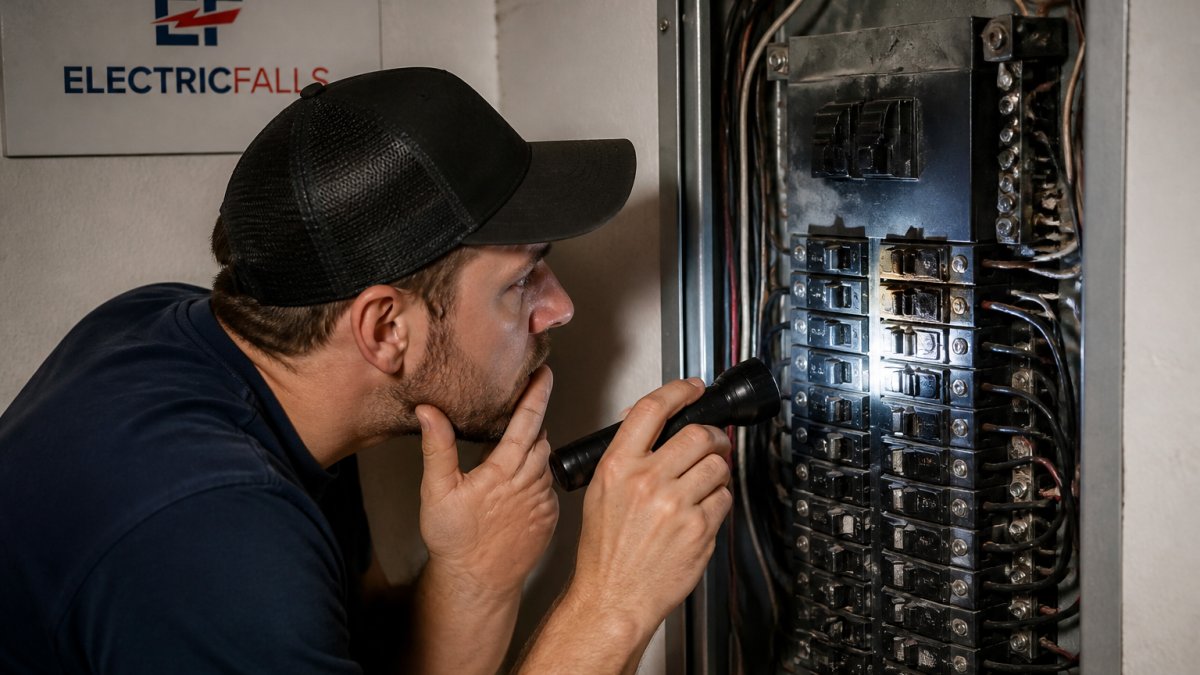
An insurer may order an inspection before it quotes or renews a policy. The inspector checks whether the home has knob-and-tube wiring, how much of it remains, and whether it has been altered or mixed with newer systems.

Inspectors generally look for:
A licensed electrician can often complete this kind of inspection and give you a written report. Having that report ready can speed up the application.
Knowing the wiring's status helps you talk to your insurer and an electrician. Here is a simple way to think about it:
Mixed systems often raise the most concern. An electrician should confirm exactly which runs are live and where they connect.
If you are buying a home, do not wait until closing to find out about insurance. Get an insurance quote early, and ask the carrier whether it will bind a policy with knob-and-tube wiring in place. The sequence below outlines the questions and documents an underwriter may ask for.
Before you call, gather the property details, the age of the home, and any inspection or electrician reports you already have. Then ask the agent these questions directly, and write down the answers:
Disclose the wiring honestly on the application. Misrepresentation on the application can give the carrier grounds to deny a claim.
Have these ready before you apply, because missing documents are the most common cause of delay:
Watch out: a binder is not a guarantee that the policy will be issued on the same terms. If the underwriter later reviews the inspection and declines the risk, you can be left without coverage at closing, so ask the agent to confirm what happens if underwriting changes the terms after binding.
Replacement cost depends on the size of the home, how much wiring is involved, the access available in the walls and attic, whether the panel and service need upgrading, and whether the work requires opening finished surfaces. Get a written estimate with a scope description and a projected timeline from a licensed electrician, and ask the insurer whether partial replacement satisfies its requirement or whether it wants full removal.
If your home has knob-and-tube wiring, start with two calls: one to your insurance agent and one to a licensed electrician. Ask the agent which carriers will write the home and what they require. Ask the electrician for an inspection and a written report.
Electric Falls provides electrical services across Southeast Idaho, including residential rewiring and panel upgrades. If you want to see the scope of work we handle, explore the residential electrical services Electric Falls offers. When you are ready to move forward, request service from Electric Falls and our team can schedule an evaluation of your wiring.
If you suspect a hazard right now, such as sparking outlets, a burning smell, or warm switch plates, do not wait for a scheduled visit. Contact our emergency electrical team right away.
Often yes, but not always from every carrier. Many insurers will write a policy on a home with knob and tube wiring, while others decline, restrict coverage, or require the wiring to be evaluated or partially replaced first. Underwriting rules differ by company and by state, so the practical step is to ask several carriers, or an independent agent who places business with multiple insurers, whether they will quote the property before you assume it is uninsurable. Get any conditions in writing before you close.
Coverage for resulting damage is usually more favorable than coverage for the wiring itself. A standard homeowners policy generally covers sudden, accidental damage such as a fire that starts in the wiring, subject to the policy's terms. Policies typically do not pay to repair or replace the aging wiring as such, and insurers may exclude damage they consider the result of wear, deterioration, or lack of maintenance. Read the exclusions section and ask your agent to explain exactly how fire and electrical damage are treated.
Some insurers do. An underwriter may request an electrical inspection by a licensed electrician and, depending on the findings, may ask for partial or full replacement, proof of repairs, or a sealed-off or disconnected section of old wiring before issuing or renewing a policy. Others will accept an inspection report that shows the wiring is in acceptable condition or has been upgraded in part. Ask the carrier which documentation it needs, because a clear list avoids delays at closing.
Start with your declarations page and policy form, then call your agent or insurer and ask specific questions: Will you insure a home with knob-and-tube wiring? Does the policy exclude fire caused by the wiring? Is there a surcharge, deductible change, or coverage limit? Are inspections or upgrades required? Keep a written record of each answer, including the representative's name and the date, and confirm any conditions before you rely on them.
Get a Quote
 Add electricfalls.com as a preferred source on Google →

What an excellent experience! I highly recommend this company! from first contact, through quoting, modifications to scope, ordering materials, installation and follow through, there was not a single minute that I didn't know exactly what was going on. The communication, product and service were all impeccable. A+

Gerry T.


Dustin came over to our house and helped us hook up a hot tub. His quote was well below others that we had come over and he was super easy to work with. I would recommend electric falls to anyone who needs a great electrician at an affordable cost!

Hailey W.
These guys are awesome. More than fair pricing, punctual and professional! Highly recommend!

Jim C.
Quick response and fixed the problem efficiently. Would use him again with any needs.

Christine P.
We had a great experience with Electric Falls. We had a need to replace an old fuse box with a breaker box. Dustin was quick to respond, was reasonable in his quote, and did exceptional work. We were pleased with his coordination with us and with Idaho Falls Power. He performed the work when he said he would do it and completed the work within the timeframe that was estimated. Overall, we are extremely satisfied with Electric Falls and will be calling on them again for future needs.

Paul M.
I can not say enough good things about these guys. They got to me so quickly, were incredibly nice, and handled my problem right away. 10/10 would recommend

Whitney P.
Dustin is everything you wish for in every small business owner! He went above and beyond right out of the gate by coming by to do my quote in the evening when he was leaving for a long weekend the next morning. He explained everything about the quote. Price was fair for work being done. He and Cameron showed up as promised and did quick, quality work. Highly recommend!

Robert N.
Dustin was professional from bid thru install of our emergency home generator. In the future I'm going to call for a bid to do the electrical install in our unfinished basement. I'm thinking I don't want you to know about him because he will become too busy to help me. But, go ahead and do with this review as you will but I'm keeping his name at the top of my contacts list. :-)

Korky F.
We had Dustin from Electric Falls come out and install the wiring for a hot tub as well as install a whole home surge protector. Dustin was awesome. He was super informative and got us all set up right away. We are so thrilled that we found a great and reliable electrician. His workers were awesome as well. They were very helpful.

Todd R.
Wonderful customer service and very professional yet personable technicians.
Said what they would do and for how much and they did it
Thank you for all your work

Earl L.
Quick and Efficient! Was able to find the problem and get it all taken care of within the same day so we had our power and utilities working properly again.

Abigail J.
We had Electric Falls run some electricity to our newly built shed. It required trenching the yard to bury some of the lines. They did an awesome job! They were right on time and cleaned everything up. The end price was the exact amount quoted! We will be calling on them again!

Steve C.
Dude was the best, mega polite, answered literally every question we possible had. Pricing was fair and straightforward. He came right away and got out power back up.

Alex M.
What a great job! Electric Falls were professional, quick, knowledgeable and kind. It’s was my first project with them and I will have many more to come. They will be my first choice all things electrical from here on out. Keree 💝❤️🙏

Keree A.
Great to work with! Very knowledgeable, great at explaining the issue, and got the job done fast!

Ryan S.
Dustin was at our home this morning to repair several light issues. He was here on time, got the job done quickly and made several helpful suggestions for upgrades in our home as it is over 40 years old. Very professional and knowledgeable. Will use again.

Dennis B.
These folks worked with me on a very short timeline, even did the job on Sunday. Price was explained in detail and was very reasonable. They went above and beyond to take care of me. I would highly recommend them for any of your electrical or generator needs.

AC
Great service and a good recommendation to solve my problem!

Andy E.
Great friendly, professional, and local service. Prompt scheduling and arrived as promised! Diagnosed my electrical problem quickly and resolved the issue for a fair price.

David S.
Electric falls responded quickly and they worked with me to get my house in much better shape. Dustin was very knowledgeable, the cost for the services were reasonable and he finished everything very quickly.

Katrina S.
Great Service!

Richard J.
Dustin and Cameron came to look and see what they needed to hook up our garbage disposal, and within 30 minutes they had put in a new outlet and hooked up the disposal to a switch. Very kind and respectful gentleman who make electrical problems a breeze for a fair price.

Marissa H.
Super fast and very friendly!

Mackenzie J.
They are very good to work with. Always called to let me know exactly when they were coming. Came on time and finished earlier than expected.

Laura M.
Dustin was recommended to me and within a few hours of calling him he was out to my house in Shelley and fixed the issue. The cost was fair and Dustin was so kind and professional. He was able to work with my schedule and even let me know when he was on his way. Highly recommend if you are in need of an electrician.

Jenna H.
Highly recommend these guys. Cameron and Dustin were fast and efficient and answered all our questions we installed a home surge protector because recently the power went out and blew our furnace.

McKinzi M.
This company is amazing! Very professional and great to work with. I would highly recommend them to anyone.

Justin R.
Very personable service. We had a couple of light fixtures changed out to ceiling fans, had a fan installed in a bathroom and a few other light switch modifications done and the work was very good! And they cleaned up any mess well! Would recommend using them.

Susan M.
Dustin was great to work with. Their pricing was fair, they were great to communicate with, and they were prompt to get the work done with a schedule that worked great for me.

Kelly S.
Highly recommend Electric falls, they came out next day, gave us a couple of options with what works in our price range, and got us squared away extremely fast. We will definetly be calling them again very soon for some future needs. Thank you for everything.

Casey D.
Communicated very well. Friendly and easy going. He worked with my schedule. Lead time was only a couple of weeks. I look forward to using his service on the next step of my project.

Andrew M.
Dustin solved our electrical problems with one call. His response was quick and the cost was reasonable. We're very satisfied.

Frank W.
Since I used to DO this work and medically can’t do it myself, it gives me great pleasure to say that ElectricFalls.com will give you the same professional, ethical and proper service to you when you need electrical work done that they gave me. And will give me in my next project.No job too big or too small, all you need to do is ASK.

Carol B.
We had an electrical issue with a heater in our downstairs toy room. We called Dustin Thurman of Electric Falls, and he came out that same day; he was able to diagnose the problem and fix it quickly and completely. He explained what he thought was probably the problem, and it turned out to be exactly that. He was courteous and professional, explained everything to us, including how to avoid the problem in the future, and we would not hesitate to call Dustin again for any electrical problem. We would highly recommend him to friends and family.

Gail I.
This was a great experience! We called around and didn't get call backs from anyone. We needed a EV charger installed. Electrical Falls answered immediately made it out to our home for a quote within an hour. We agreed on a honest and fair price. Install was done properly and within a time frame that worked perfect for us! Thank you Electric falls you will be our first call in the future and will be highly recommended!

Marcelino S.
Electric Falls was prior in getting back to me and did a quick great job with my electrical needs. Very friendly and really well priced!

Zoey C.
Excellent work and cleans up after the work as well! Plus, Dustin was on time, courteous and friendly. I would have them do more work for me anytime I need it.

Mary Ann C.
Dustin with Electric Falls was absolutely amazing to work with. He answered all our electrical questions while buying a home, and then helped us fix them after closing. His flexibility and kindness made him super easy to work with. I would recommend him for any job, and we will be utilizing him for future projects on our new home. Such a great experience!!

Danielle S.
Dustin has helped us with several electrical jobs and knocks it out of the park every time. He is efficient, professional, friendly, and cleans up after he's done – not many do this these days! If and when we need more work done we will never hesitate to call Dustin at Electric Falls. Thanks

Madeline
Prompt, efficient, knowledgeable, tidy, honest, friendly, reasonable rates. After all the electricians we have tried, Dustin at Electric Falls is by far the best in every way. I will never call anyone else ever again for our electric needs.

Debbie H.
Dustin is very responsive, he's a great communicator, and he is reasonably priced. I have hired him for four separate jobs in the last four months, and I plan to hire him for more jobs in the future.

Russell P.
Dustin is great to work with and very fast. He squeezed me in very quickly and worked quickly and efficiently until it was done. Also reasonably priced. I would highly recommend Electric Falls

Rachael J.
Dustin jumped in and took amazing care of us on short notice! He was able to squeeze us in and took care of business quickly and efficiently without overcharging. We are so appreciative of the work he did! If you ever need a great electrician to help you with your home, whether a new build or a place you’ve been in for years, Dustin is your guy! Give him a call; you won’t be disappointed!!!

Jarod P.
Dustin has great customer service and is a knowledgeable electrician. He fixed our wall heater, installed a ceiling fan, and corrected some crossed wires on a two-way switch. He also checked out some outlets I had concerns with. He was friendly and professional. I highly recommend.

Amanda G.
Electric Falls is professional,friendly, and fair priced! We will definitely be using them for all our electrical needs in the future.

Chandler L.
Great company to work with for any electrical needs you have. On time, professional, fair pricing and very knowledgeable. We will definitely use them again!!

Heather K.
If you're looking for a competent, courteous, and thorough electrician, look no further. Dustin definitely exceeded all of our expectations!

Mike G.
Very knowledgeable and professional. Would recommend to others.

Trena T.
Dustin was very pleasant and did an excellent job

Robert T.
Dustin does excellent work!! Quick, efficient. Very flexible!!

Lance L.
Very knowledgeable and professional service. I will be using him again and will definitely recommend him to others.

Donna T.
Dustin is professional, timely, and friendly.

DJ D.
They were prompt and did a good job.

Wood F.
Outstanding service, not waiting, answers inquiries fast and to the point.

Rubi F.
Very happy with their work.

Glenn W.
We lost all Power at the last outage. It fried our panel and breakers. We also lost a thermostat. He replaced all of that plus put a surge protector so we wouldn't have that problem again. He was very professional and explained things very well along with price before doing anything. I would definitely use them again for electrical problems. I trust them and so can you.

Bonnie M.
Thank you!
Positive Quality, Professionalism

Cody F.
Fan installation, Light fixture repair, Electrical outlet & switch installation

Darin T.

© Electric Falls. All Rights Reserved.
Welcome to Electric Falls, where our commitment to excellence in electrical services has been illuminating the Southeast Idaho community for several years.